
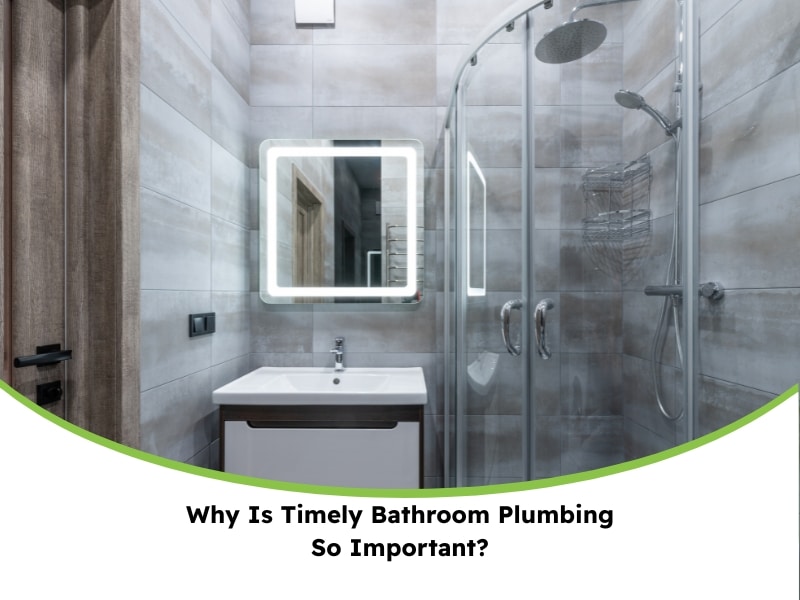
Plumbing dramas rarely start with a bang. More often, it’s the slow, sneaky stuff—quiet drips, musty smells, or that weird soft patch near the skirting board. By the time you notice, it might already be doing damage. And in places like bathrooms, where moisture loves to hide, delays can cost more than you bargained for. Timely bathroom plumbing is essential because it prevents minor issues from becoming expensive structural problems or health hazards. This isn’t about panic—it’s about acting before minor issues escalate. Here’s why fast action matters when bathroom plumbing goes off track—and how to avoid the classic mistakes that catch out even the clued-in.
Why do bathroom plumbing issues often go unnoticed?
Bathroom plumbing issues often go unnoticed because most pipes are hidden behind walls or fixtures, making leaks and faults hard to detect early. You’re not looking behind the tiles every day. And most pipes? They’re tucked behind walls or under fixtures. That means leaks or faults can persist for weeks before anything becomes apparent on the surface.
- Pipe joints in walls may leak slowly, hidden by plaster or tile
- No insulation under the sink? You’ll miss the condensation build-up
- Shower fittings shift slightly over time, loosening connections
- Cavities soak up early signs—damp smells, soft spots, or stains
It’s not that you’re ignoring it—you simply don’t see it. But if you brush off those minor signs, you could be letting water damage creep in. And that’s how so many people miss the early causes of hidden pipe leaks in their home.
What are the most common bathroom plumbing problems?
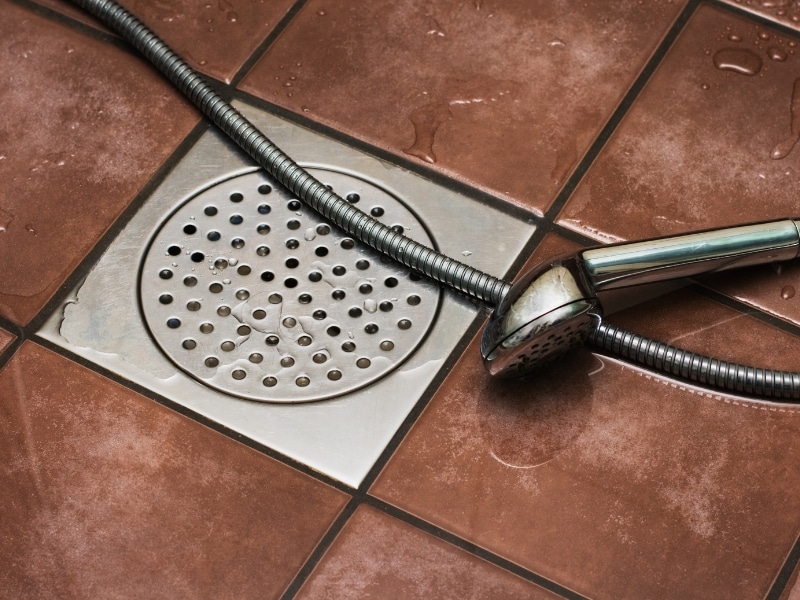
The most common bathroom plumbing problems include blocked drains, dripping taps, low water pressure, and silent leaks from worn seals or fittings. You don’t have to be unlucky to run into plumbing issues. Most homes see them eventually—it’s just part of wear and tear.
- Blocked drains happen from soap scum, hair, and grime build-up
- Taps that drip seem harmless, but they rack up serious water waste
- Showers lose pressure, or the temperature jumps around mid-wash
- Fittings and seals degrade and loosen, leading to quiet leaks
- Stains or water pooling may point to deeper pipe troubles
Thing is, they’re easy to ignore at first. But leave them, and you could be looking at water damage, mould, or even a burst pipe and knowing what to look out for helps. That’s why understanding why a dripping bathroom pipe can be a major emergency can save you a massive headache later on.
Can small leaks in bathrooms cause bigger problems?
Small leaks can lead to significant issues like mould growth, wood rot, and structural damage when ignored over time. It’s just a drip, right? Doesn’t seem like much. But give it time, and it’ll chew through timber, rot cabinets, and set the scene for mould or mildew.
- A slow drip beneath the sink can rot cabinetry or flooring
- Leaks behind walls feed mould, which affects indoor air
- Damp spots attract pests, especially in warmer months
- Moisture under paint causes bubbling or flaking
- Subfloor damp can spread to nearby rooms unnoticed
- Water creeping behind tiles can weaken the adhesive and grout
These things don’t all hit at once. But over weeks—or months—they pile up. It’s the quiet damage that hits hardest because you rarely see it coming.
How can bathroom plumbing experts save you time?
Bathroom plumbing experts save time by diagnosing problems quickly, completing repairs efficiently, and preventing future issues through professional-grade work. Plumbers aren’t just there when everything goes wrong. They spot problems early, work fast, and take the guesswork out of it.
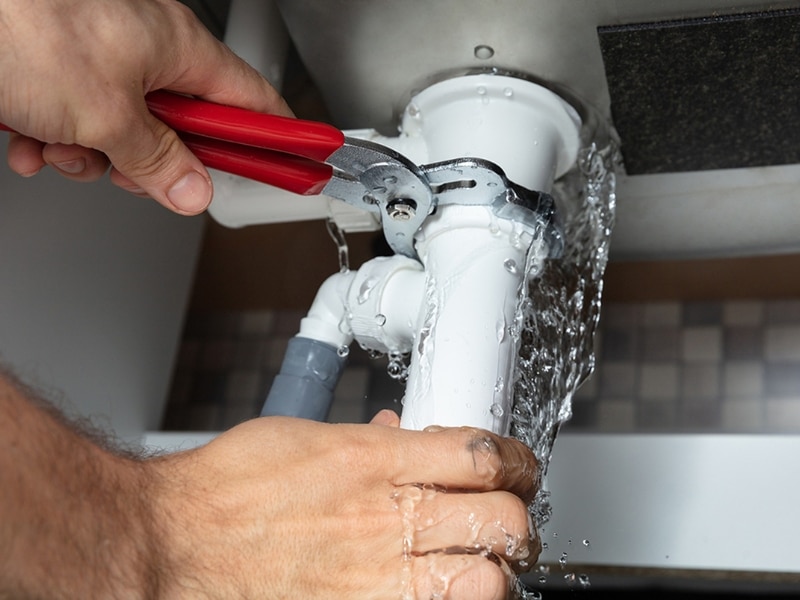
- Leak detectors find moisture hidden behind walls or under tiles
- They replace dodgy fittings in one visit, saving you repeat calls
- You know the job’s done to code, which brings peace of mind
- And they clean up—no mess left behind for you to deal with
When you try to figure it out solo, it’s easy to miss something. But if you want it sorted right—and quickly—there’s no beating trusted solutions for urgent bathroom plumbing concerns.
When is the right time to upgrade your bathroom pipes?
You should upgrade bathroom pipes when there are signs of rust, poor pressure, or outdated materials that no longer meet plumbing standards. Old pipes don’t always show their age—until they fail. But there are a few red flags to watch for.
- Rust spots or brown water from taps
- Weak pressure, even when the mains supply is strong
- Plumbing that predates the ‘90s
- You’re already renovating—ideal time to upgrade
- Galvanised pipes flagged during an inspection
- Odd smells or tastes from the water supply
Upgrading doesn’t just fix the now—it helps avoid future hassle. New materials last longer and handle pressure better. You won’t have to worry every time you hear a rattle in the pipes.
What are the risks of doing bathroom plumbing yourself?
DIY bathroom plumbing carries risks such as poor sealing, drainage issues, code violations, and potential denial of insurance claims if problems arise. YouTube makes it look easy. In reality? One wrong move, and you’re on the hook for big repairs—or worse, insurance won’t cover the damage.
- Mismatched parts or poor sealing can cause invisible leaks
- Incorrect pipe angles lead to drainage problems
- DIY work may not meet code—and could breach warranty
- You could miss deeper issues hidden behind the visible stuff
- Insurance won’t always cover damage from unlicensed work
| DIY Risk | Why It Matters |
| Improper sealing or fittings | It can cause slow leaks that go unnoticed for weeks |
| Incorrect pipe angles or slopes | Leads to poor drainage or odour build-up |
| Breach of plumbing code | Might void warranties or cause issues when selling |
| Missed signs of deeper damage | Underlying rust or corrosion stays undetected |
| Insurance coverage limitations | Claims may be denied due to unlicensed alterations |
Sure, you might save on labour. But what if something fails in six months? Avoid the gamble. Stick to professionals—and check your work against NSW Government plumbing standards and advisory notes.
Handling bathroom plumbing correctly
Don’t wait until your floor’s soaked or your tiles lift. Fixing minor issues early keeps things simple and affordable. Upgrade when needed, lean on licensed pros, and keep an eye out for warning signs. When things do go sideways, discover how Eco Plumbers 24/7 can help with your plumbing needs.

