
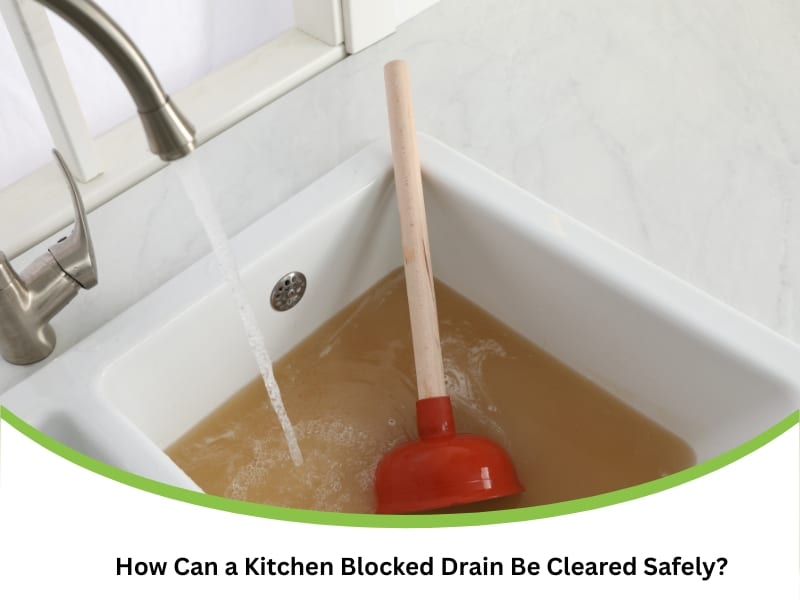
A kitchen drain blocked by food scraps, grease, or random objects isn’t just a small annoyance — it can throw your whole routine into chaos. What starts as water draining a little slower can quickly spiral into smells, gurgling pipes, or even water flooding your cupboards. Whether you’re dealing with a blocked dishwasher drain or a stubborn kitchen sink clog, the first step is understanding what’s really happening. This article looks at why these blockages form, how to clear them safely, and what you can do to stop them from coming back.
Why do kitchen sink clogs keep coming back?
If your sink keeps clogging every other week, chances are it’s not just bad luck. Most of the time, it’s a build-up of everyday habits rather than a single mistake Here are the main reasons your kitchen drain keeps clogging:
- Grease and oil coat the inside of the pipes, then trap food particles
- Soap scum and fats can harden into solid lumps over time
- Coffee grounds, pasta, and rice swell up and lodge in tight bends
- Old or worn pipes make it easier for debris to catch and block
Even if you’re careful, daily cooking and cleaning can slowly create the perfect storm for clogs to reappear. It’s a bit like cholesterol building up in arteries — you don’t notice it until it’s too late. In the same way that learning how foodborne illness spreads in kitchens helps prevent health problems, understanding how these blockages form is your best defence against another messy sink drama.
What warning signs suggest your kitchen drain is blocked?
Most people don’t pay attention until the sink fills up and refuses to drain. But your plumbing gives you hints earlier than that. Here are the early signs of a blocked kitchen drain:
- Water is taking longer than usual to go down
- Gurgling noises from under the sink or dishwasher
- Strange smells are creeping up from the drain
- Water is pooling back into the sink or dishwasher
These are classic signs of a kitchen drain blocked somewhere in the system. When caught early, you can avoid more costly and messy clean-ups. In many cases, inspecting the system and using targeted clearing tools can resolve the issue before it worsens. If you’re unsure what’s causing the problem, you can find trusted solutions for drainage issues in the kitchen to get a clearer understanding before the issue escalates.
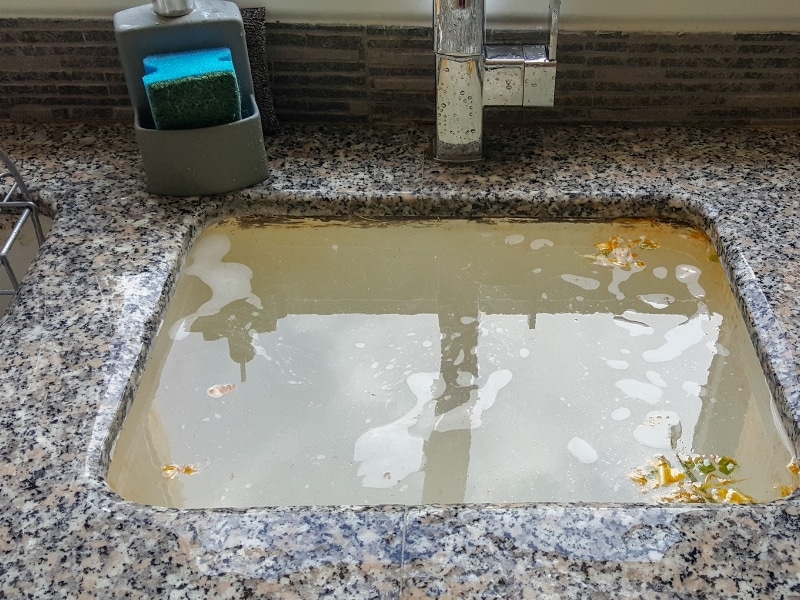
Could ignoring a kitchen drain issue lead to bigger problems?
It’s tempting to put it off — maybe you’re busy, or the water still drains eventually. But here’s the thing: small clogs rarely stay small. Here are the risks of leaving a drain problem untreated:
- Prolonged blockages can corrode your pipes
- Standing water turns into a breeding ground for bacteria and mould
- Overflows can damage cabinets, flooring, and plaster walls
- Connected appliances like dishwashers can start malfunctioning
And if you’ve got an outdoor kitchen drain, the consequences can spread indoors fast. The risks of ignoring a blocked kitchen drain are serious— Even what looks like a minor hiccup can lead to a plumbing emergency if you don’t deal with it early.It’s always better to act early than deal with the clean-up and costs later.
What are the most effective safe methods for unblocking a kitchen sink?
So you’re standing over a sink full of murky water — what now? Fortunately, there are a few time-tested tricks that don’t involve harsh drain cleaners. Here are the safest ways to clear a blocked sink:
- Boiling water: melts minor grease clogs (but avoid with plastic pipes)
- Baking soda + vinegar: dissolves food and soap scum if left to fizz for 20 minutes
- Plunger: creates suction to loosen general blockages
- Drain snake: tackles deeper or stubborn clogs (rotate gently to avoid damage)
Here’s a quick comparison to help decide:
| Method | Ideal For | Usage Advice |
| Boiling water | Grease, light blockages | Don’t use it on plastic pipes |
| Baking soda & vinegar | Food, soap scum | Let it sit for 15–30 minutes |
| Plunger | General blockages | Block the overflow hole for the seal |
| Drain snake | Stubborn or deep clogs | Rotate gently to avoid damage |
In many cases, these tools can unblock a kitchen sink in under 30 minutes without requiring any dismantling. Just remember to test slowly before pouring boiling water or using pressure — you don’t want a geyser under the sink.
How does a blocked dishwasher drain affect your kitchen plumbing?
Dishwashers share drainage lines with sinks, so a clog in one can quickly affect the other. Here are the ways a blocked dishwasher drain can impact your kitchen:
- The sink water backs up when the dishwasher runs
- Grease and food debris settle in shared pipes
- The dishwasher overheats or stops mid-cycle
- Flooding damages floors or nearby cupboards
So, if your dishwasher’s slow-draining and your sink’s acting up, the two problems are probably connected. Cleaning both regularly (or having a pro check them out) saves you from double the trouble.
When should you call a plumber to clear your kitchen drain?
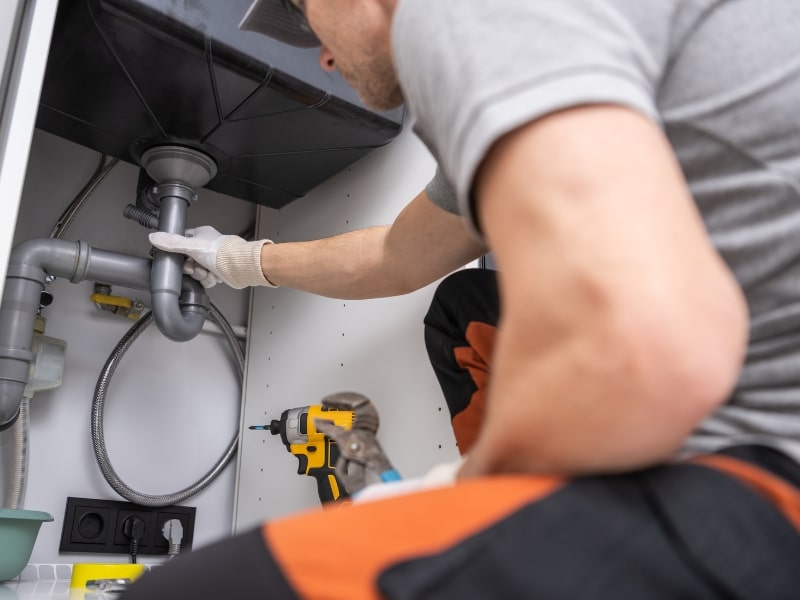
DIY works for a lot of situations, but sometimes the problem is too deep or persistent. Here are the signs you should call a plumber:
- Water still drains slowly even after treatments
- More than one sink or fixture is affected
- Strong, lingering odours refuse to disappear
- You notice leaks, damp cabinets, or warped flooring
If your dishwasher’s acting up at the same time, that’s a red flag. A plumber can inspect the system, clear stubborn buildup, and stop recurring clogs — often tied to common sources of bad sink smells in the kitchen. Sometimes the issue sits deeper in the pipework or even outside — not something you’ll fix with vinegar and hope.
What habits help stop kitchen drains from clogging again?
Clearing a blockage once is good. Preventing it from returning is even better. Here are the habits that help prevent sink blockages:
- Scrape plates into the bin before rinsing
- Pour fats and oils into a container instead of the sink
- Use drain strainers to catch scraps
- Flush weekly with boiling water
- Once a month, pour in baking soda followed by vinegar
These steps make it much less likely you’ll face the same headache again. Plus, they’ll keep odours down and your pipes in better condition over time.
Final thoughts
Whether it’s a kitchen sink clogged with grease or a sneaky blocked dishwasher drain, acting fast makes all the difference. Safe clearing methods and good habits go a long way toward preventing mess and damage. For tough cases or recurring trouble, see how Eco Plumbers 24/7 handles stubborn blocked drains.

